
Align with Rta & Brahman Every Day
A practical, timeless Satvik By Sant Daily Routine rooted in the Vedas & Upanishads — adapted for modern life anywhere in the world. Purify body, mind, and soul through truth, harmony, non-violence, austerity, knowledge, selfless offering, generosity, contentment, unity, and liberation.
"Satyam vada, Dharmam chara"
Speak Truth, Walk in Dharma — Taittiriya Upanishad 1.11.1
The Eternal Foundation of Sanatan Dharma
The Vedas — the oldest sacred scriptures of humanity — and their philosophical culmination in the Upanishads form the eternal foundation of Sanatan Dharma (the timeless way of truth). These ancient texts do not impose rules but reveal the natural laws of existence, guiding sincere seekers toward harmony with the cosmos (Rta), righteous living (Dharma), and ultimate realization of the Supreme Reality (Brahman).
From the Rigveda emerges the profound declaration: "Ekam sat vipra bahudha vadanti" (Rigveda 1.164.46) — "Truth is One, though the wise call it by many names." This timeless insight affirms the unity underlying all diversity: one infinite, conscious, blissful Brahman manifests as the entire universe, including every soul (Atman). The Upanishads deepen this revelation with the four Mahavakyas: "Prajnanam Brahma" (Consciousness is Brahman — Aitareya Upanishad), "Aham Brahmasmi" (I am Brahman — Brihadaranyaka Upanishad), "Tat Tvam Asi" (Thou art That — Chandogya Upanishad), and "Ayam Atma Brahma" (This Self is Brahman — Mandukya Upanishad).
The Taittiriya Upanishad (1.11.1) offers practical guidance for daily life: "Satyam vada, Dharmam chara" — Speak the Truth, Walk in Righteousness. This command is not mere morality but alignment with the cosmic order (Rta) born from Tapas (Rigveda 10.190.1). Truth (Satya) is the first reality; Dharma is its application in human conduct — sustaining society, nature, and self through ethical action, compassion, and self-restraint.
These principles are not abstract ideals but practical expressions of Brahman's nature — pure, conscious, blissful. In today's fast-paced world, this Satvik By Sant Daily Routine revives them through structured yet flexible practices: early rising in Brahma Muhurta for yoga and meditation, sattvic meals offered as yajna, evening Satsang and darshan, and community sharing. It adapts seamlessly to any location — using local seasonal foods, virtual temple streams, and online resources — while honoring authentic prasadam and traditional household wisdom.
The routine gradually shifts consciousness from tamas (inertia) and rajas (agitation) to pure sattva (clarity and harmony), dissolving illusions of separateness and revealing your inherent divinity. No dogma is imposed; only sincere practice leads to direct experience. You are already Brahman — this path simply helps you remember it every single day, step by step, breath by breath.
The 10 Core Satvik Principles
Distilled from the Vedas and Upanishads for daily living
Satya
Absolute truthfulness in thought, word, and deed
Taittiriya UpanishadRta & Dharma
Living in cosmic harmony and righteous order
Rigveda 10.190Shauca
Triple purity of body, speech, and mind
Yoga SutrasAhimsa & Daya
Non-violence and compassion to all beings
Chandogya UpanishadTapas & Brahmacharya
Disciplined austerity and sense mastery
Mundaka UpanishadJnana
Relentless quest for Self-knowledge
Upanishadic MahavakyasYajna & Dana
Selfless offering and generous sharing as worship
Bhagavad GitaSantosha & Krtajnata
Contentment and gratitude in every moment
Yoga Sutras 2.42Unity of Existence
Seeing the same Brahman in all beings
Rigveda 1.164.46Mukti
Liberation while living through realization
Mandukya UpanishadYour Complete Satvik By Sant Day
A structured yet flexible daily routine adapted for modern life. Adjust timings based on your sunrise and personal schedule.
Brahma Muhurta
4:00 - 5:30 AM
- Wake with gratitude mantra: "Om Bhur Bhuva Svah"
- Drink warm lemon water with tulsi or ginger
- Tongue scraping, oil pulling (sesame or coconut)
- Warm bath with neem water or sandalwood paste
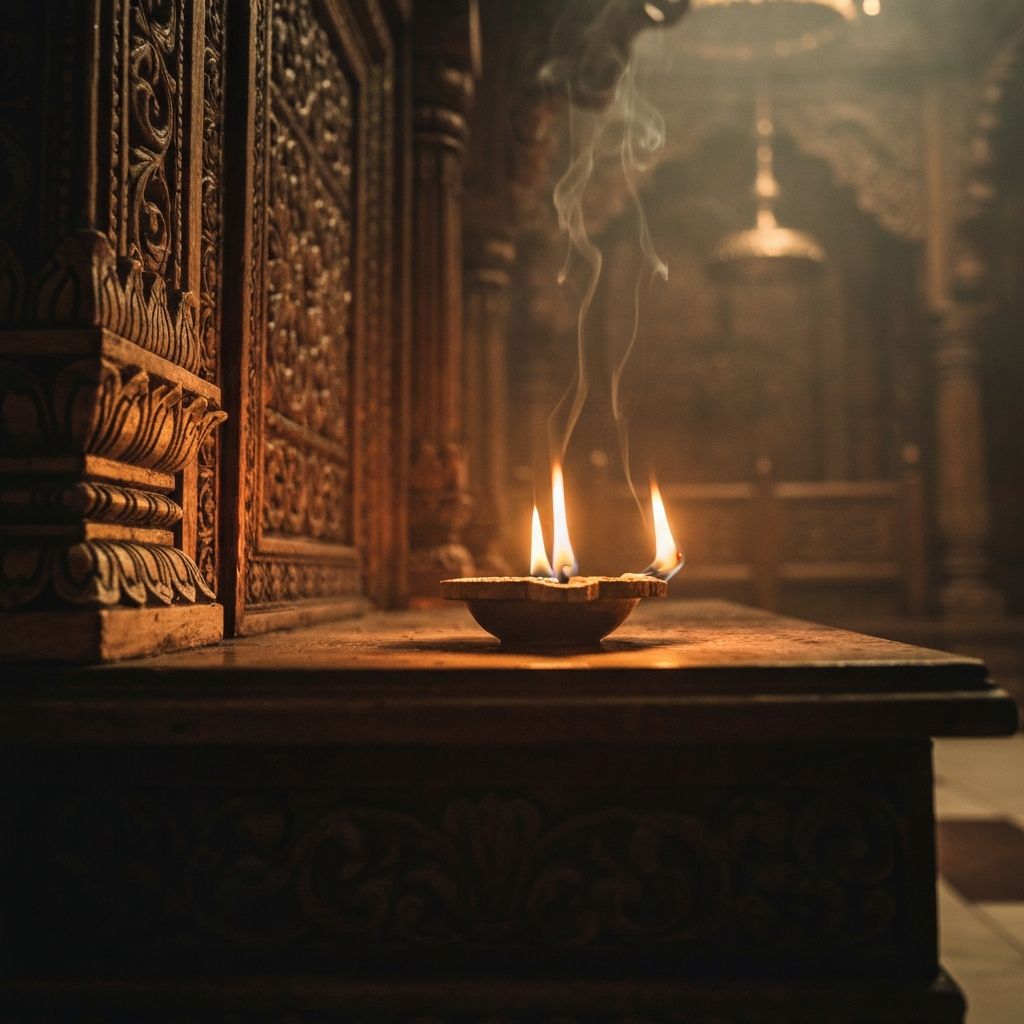
- Apply tilak, light diya at home altar
Sadhana & Yoga
5:30 - 7:00 AM
- Surya Namaskar (12 rounds with mantra)
- Pranayama: Anulom Vilom, Kapalbhati, Bhastrika (20 min)
- Meditation: Gayatri Japa or "So-Hum" dhyana (20 min)
- Vedic Sandhya Vandana or personal prayer
- Read one shloka from Upanishad or Gita with contemplation
Sattvic Breakfast
7:00 - 8:30 AM
- Offer food to Agni with "Brahmarpanam" shloka
- Fresh fruits, soaked almonds, seasonal smoothie
- Poha, upma, idli, or roti with ghee (regional choice)
- Herbal tea: tulsi, ashwagandha, or saffron milk
- Eat in silence, chew 32 times, express gratitude
Karma Yoga & Work
8:30 AM - 12:30 PM
- Begin work with Ganesh or Saraswati invocation
- Practice dharmic conduct: honesty, patience, focus
- Take 5-minute pranayama break every 90 minutes
- Maintain sattvic digital habits: limit negativity
- Offer all work as service (Nishkama Karma Yoga)
Sattvic Lunch
12:30 - 2:00 PM
- Main meal of the day: freshly cooked, seasonal
- Include all 6 rasas: sweet, sour, salt, bitter, pungent, astringent
- Dal-rice-sabzi-roti-salad-curd combination
- Use ghee, turmeric, cumin, coriander, rock salt
- Rest 10 min after meal, short walk (shatapavali)
Afternoon Sadhana
2:00 - 5:00 PM
- Continue work with dharmic awareness
- Japa or mantra repetition during breaks
- Light sattvic snack: fruit, nuts, buttermilk
- Study group (Svadhyaya): Vedic texts, discussions
- Creative offering: music, art, writing as seva
Evening Sadhana
5:00 - 7:00 PM
- Sandhya Vandana at dusk, light home diya/agarbatti
- Gentle yoga: forward bends, twists, Shavasana
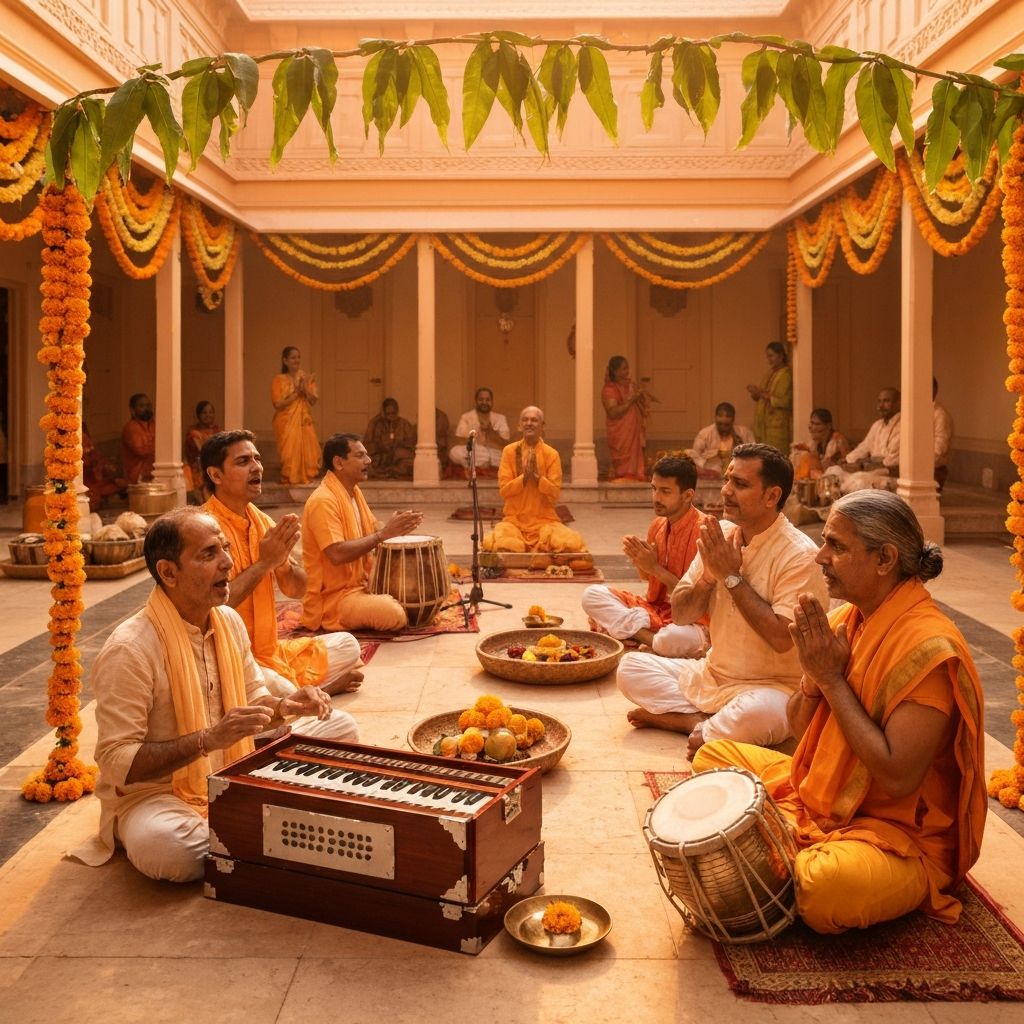
- Evening meditation or kirtan/bhajan session
- Virtual or local temple darshan and aarti
- Satsang with family or online spiritual community
Sattvic Dinner
7:00 - 8:30 PM
- Light, easy-to-digest meal before sunset ideally
- Khichdi, vegetable soup, chapati with sabzi
- Warm milk with turmeric and nutmeg before bed
- No screens during meals, practice silence
- Offer gratitude for the day's nourishment
Night Wind-Down
8:30 - 10:00 PM
- Journal: 3 dharmic actions, 1 area of growth
- Gratitude practice: acknowledge 5 blessings
- Self-study: read Upanishad, Gita, or spiritual text
- Shanti mantra: "Om Sarvesham Svastir Bhavatu"
- Sleep by 10 PM facing East or South, on left side
Satvik Household Traditions Across Bharat & the World
Every region carries unique prasadam traditions and seasonal recipes, honoring the same eternal principles through local flavor.
North India
Punjab, UP, Rajasthan, Haryana
Breakfast
Paratha with white butter, curd, seasonal pickle, jaggery
Lunch
Dal makhani, roti, aloo-gobi, raita, salad, rice
Dinner
Khichdi with ghee, bottle gourd sabzi, buttermilk
Special Prasadam
Panjiri, halwa, pinni, gur-roti
Regional Traditions
Early morning dahi-shakkar before work, tulsi puja, evening Hanuman Chalisa recitation
Global Darshana & Prasadam
The evening practice connects you with the divine through aarti, darshan, and community — no matter where you are in the world.
Sandhya Aarti
Light a ghee diya and agarbatti at home altar during dusk. Perform aarti with bell and camphor while chanting "Om Jai Jagdish Hare" or your chosen stotra. This marks the sacred transition from day to night.
Virtual Temple Darshan
Join live streams from Kashi Vishwanath, Tirupati Balaji, Somnath, Jagannath Puri, Haridwar Ganga Aarti, or thousands of other temples. Receive darshan from anywhere in the world through the power of devotion and technology.
Kirtan & Bhajan
Engage in devotional singing with family or online satsang groups. Even playing recorded bhajans and singing along purifies the home atmosphere and uplifts consciousness toward sattva.
Prasadam Preparation
Prepare a simple sattvic offering: panchamrit (milk, curd, honey, ghee, sugar), tulsi-infused water, or fresh fruit. Offer to your home deity first, then distribute among family as blessed prasadam.
Global Satsang
Connect with fellow seekers through online satsang platforms spanning every timezone. Discuss Vedic teachings, share experiences, support each other's practice, and build a global community of dharmic living.
Adapting Vedic Wisdom for Every Corner of the World
Whether you live in New York, London, Tokyo, or Nairobi — these practices adapt beautifully to your local context.
Seasonal Adaptation
Adjust meal timing and ingredients based on your local climate. Use warming spices (ginger, cinnamon) in cold climates; cooling foods (cucumber, coconut) in hot regions.
Local Sourcing
Use locally available grains, lentils, and seasonal produce. Quinoa in the Americas, millet in Africa, buckwheat in Europe all serve as sattvic alternatives.
Virtual Darshan
Access thousands of temple live streams from Kashi, Tirupati, Haridwar, and more. Join online satsang communities spanning every timezone.
Timezone Flexibility
Brahma Muhurta is always 1.5 hours before your local sunrise. Adjust the entire routine to your sunrise/sunset for authentic circadian alignment.
Community Building
Start a local satvik circle. Even 2-3 people practicing together create powerful satsang energy that accelerates spiritual growth globally.
Ayurvedic Substitutions
Replace unavailable herbs with local equivalents: chamomile for brahmi, sage for tulsi, maple syrup for jaggery. The intention sanctifies the offering.
Tips for a Successful Satvik Transformation
Start Small, Stay Consistent
Begin with just 3 practices: morning meditation, one sattvic meal, and evening gratitude. Add more as habits solidify over 21 days.
Compassion Over Perfection
Missing a practice is not failure. Approach yourself with the same ahimsa (non-violence) you extend to others. Resume gently.
Kitchen as Temple
Keep your cooking space clean and sacred. Play soft mantras while cooking. The vibrations infuse the food with sattva and love.
Daily Svadhyaya
Read even one shloka daily with deep contemplation. Quality of understanding matters more than quantity of reading.
Family Integration
Involve family members gradually. Shared evening aarti and one sattvic meal together can transform household energy.
Digital Sattva
Curate your digital diet: follow sattvic content channels, limit news consumption, use apps for japa counting and meditation tracking.
Pujya Shyamdas Maharaj Gurukul
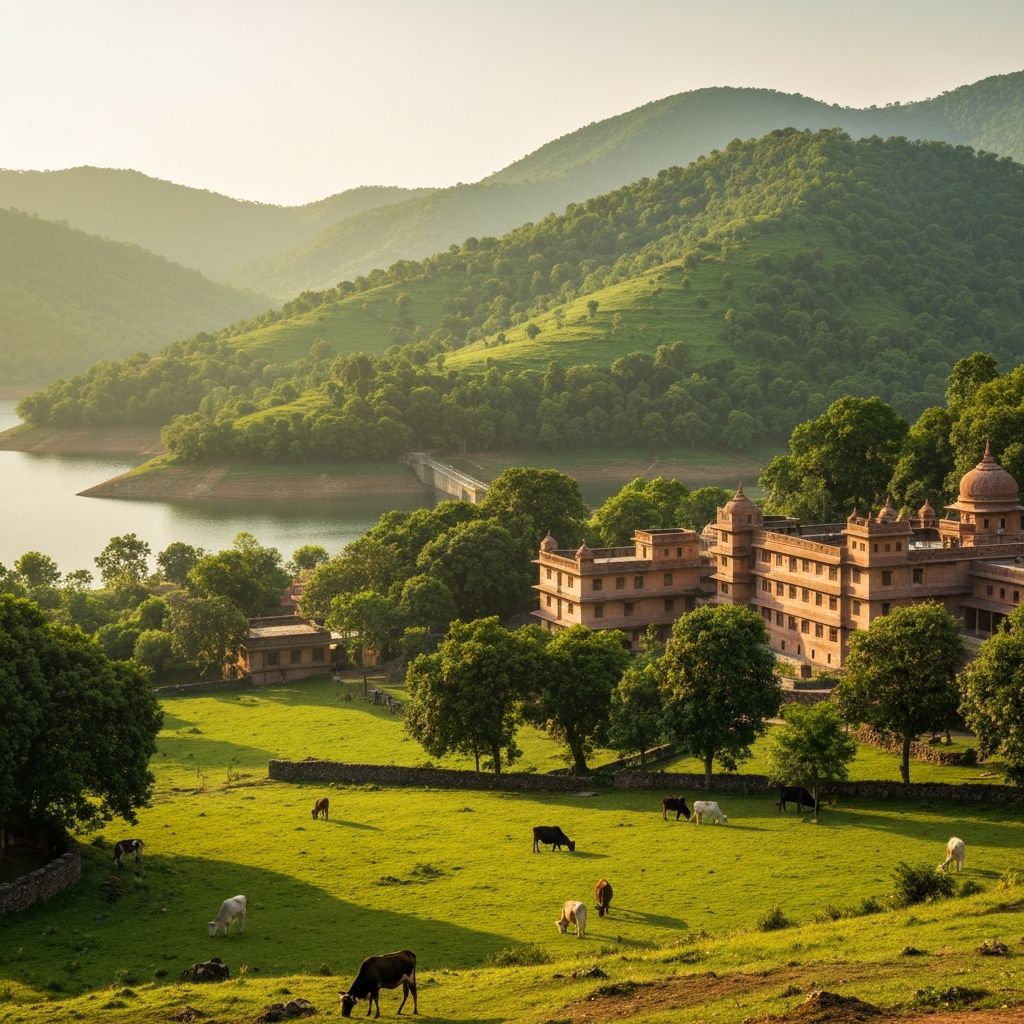
Karamchat Dam, Kaimur Hills
After Mastering the Satvik Stage — Step into the Next Level
Life at Pujya Shyamdas Maharaj Gurukul is a living embodiment of Sanatan Dharma where every moment becomes sadhana. The serene Kaimur Hills and the tranquil waters of Karamchat Dam provide the perfect natural temple for total immersion. The entire day revolves around selfless Gau Seva (service to Gau Mata) combined with intense inner practices that dissolve the outer ego (ahamkara), purify the mind, and draw the soul closer to Paramatma.
A Typical Day at the Gurukul
Timings flexible according to season and sunrise
Brahma Muhurta - Awakening in Purity
4:00 - 6:00 AMRise with the mantra "Satyam vada, Dharmam chara". Perform Shauca (bath, oral hygiene), followed by collective Gayatri Japa and silent dhyana facing the reservoir. This sets the foundation of sattva for the entire day.
Morning Gau Puja & Seva
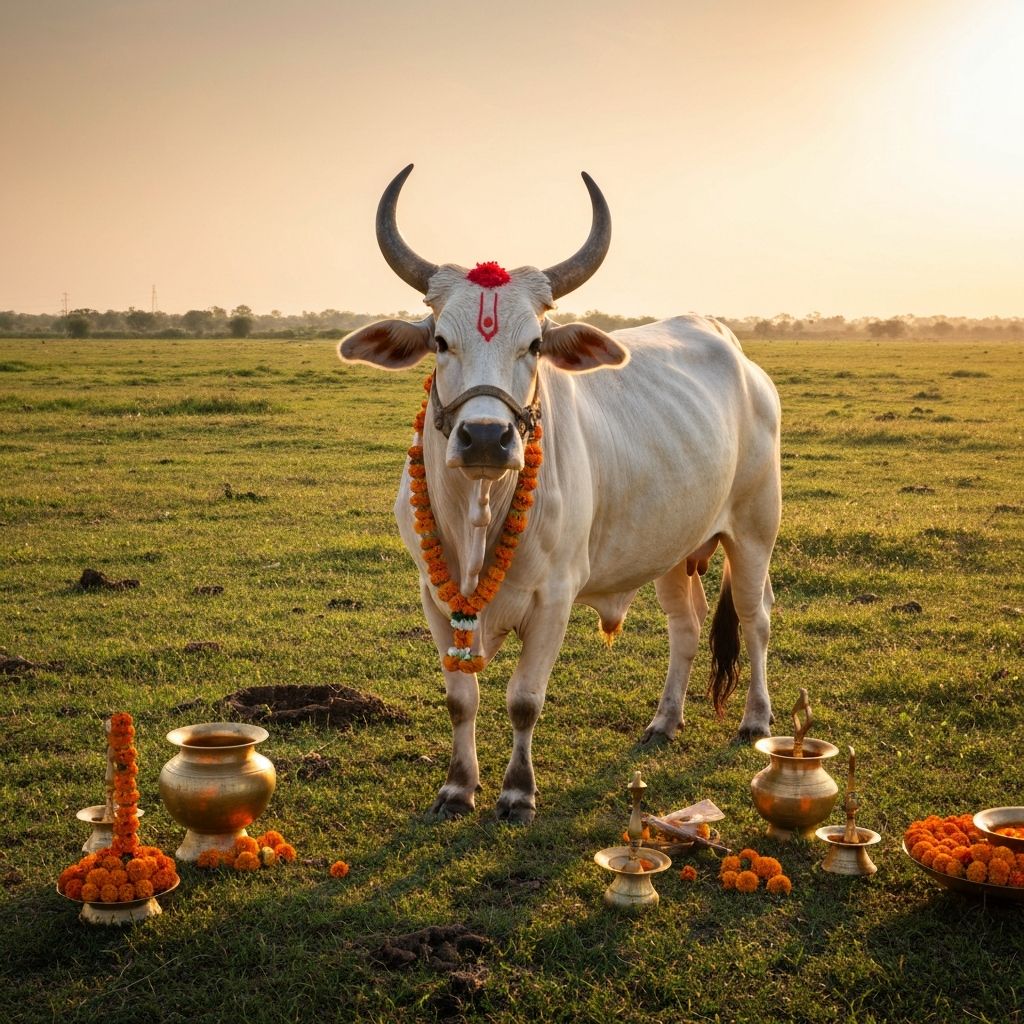
6:00 - 8:00 AMFull traditional Gau Puja: clean the cows with reverence, apply turmeric-kumkum tilak and sandalwood on forehead and horns, adorn with fresh flower garlands and mango leaves. Offer aarti with ghee lamp and bell while circumambulating 3-7 times. Chant Vedic hymns (Rigveda 6.28) and "Om Gau Matai Namah". This ritual invokes divine protection and fills the heart with bhakti.
Cow Grazing in the Hills - Walking Meditation
8:00 AM - 12:00 NoonDevotees (sakhas/sakhis) accompany the cows barefoot across lush green pastures and forested slopes of Kaimur Hills. Walk in silence or soft japa (Hare Krishna or Govinda nama). The gentle movement, fresh air, and panoramic views of the dam create a natural moving meditation that dissolves mental chatter and connects one deeply with Rta.
Midday Milking & Feeding - Sacred Exchange
12:00 - 2:00 PMAfter resting the cows, perform reverent hand-milking into brass or copper vessels while chanting softly. Immediately prepare sattvic feed (fresh grass, jaggery-mixed grains, tulsi, seasonal fruits) and offer it with folded hands and mantra. Feeding is done mindfully, hand-to-mouth, cultivating humility and unconditional love.
Preparing Prasadam from Panchagavya
2:00 - 4:00 PMUsing fresh milk, curd, ghee, gomutra and gomaya, devotees prepare kheer, halwa, panchamrit or simple ghee-based offerings in traditional clay handi and brass vessels. Constant japa and devotional chanting infuse the food with divine vibrations. The prasadam is first offered to deities and Gau Mata, then shared among all.
Afternoon & Evening Sadhna & Dhyana
4:00 - 8:00 PMGroup and individual dhyana sessions overlooking the reservoir, focusing on breath, "Aham Brahmasmi", or visualization of Paramatma. Evening includes collective kirtan, aarti near the cows, and silent reflection. Karma yoga continues through gaushala cleaning and fodder preparation.
Night Wind-Down
8:00 PM onwardLight sattvic prasadam, gratitude sharing, and early sleep so the cycle of purity continues. The day closes with the same reverence it began, completing the sacred circle of devotion and service.
These activities are performed with complete devotion, turning ordinary actions into profound spiritual practice. They gradually dissolve the outer worldly view and awaken the inner conscience, leading the sincere soul toward Bhagvad Prapti through the grace of Gau Mata and Guru.

Benefits of Daily Satvik Practice
The transformation from tamas and rajas to pure sattva manifests across every dimension of your being.
Mental Clarity & Focus
Daily meditation and pranayama sharpen concentration, reduce anxiety, and cultivate a calm, sattvic mind capable of deeper self-inquiry.
Emotional Balance
Practicing ahimsa, gratitude, and satsang creates emotional resilience, dissolving reactive patterns and nurturing unconditional love.
Physical Vitality
Sattvic diet, yoga asanas, and proper sleep cycles boost immunity, digestion, and sustainable energy aligned with nature's rhythm.
Spiritual Awakening
Regular japa, Vedic study, and self-reflection gradually reveal the Atman, moving consciousness toward liberation (Mukti).
Harmony with Nature
Seasonal eating, compassion toward all beings, and environmental awareness reconnect you with Rta, the cosmic natural order.
Dharmic Resilience
Living by Satya and Dharma builds unshakable inner strength, making you a pillar of truth and stability for your community.
Community Reward Incentive
Share your journey and inspire others while earning divine blessings in the form of $HASHS Tokens.
How It Works
Every 21 days of successful routine adherence, post your personal story with images, writeups, and a small video on our dedicated app. Share your transformation, challenges overcome, and insights gained through your satvik practice. Your journey becomes a beacon for others walking the same path.
Practice 21 Days
Follow the satvik routine consistently for 21 days
Document Journey
Capture images and write about your experience

Share Video
Create a short video sharing your transformation
Earn $HASHS
Receive tokens exchangeable for Divine Gifts at the Gurukul

Important: We do not practice cash transactions. $HASHS Tokens represent spiritual merit and can be exchanged exclusively for Divine Gifts, prasadam, and seva opportunities at Pujya Shyamdas Maharaj Gurukul.
Support the Journey — A Call from the Heart

We don't accept any cash donation. Anybody who feels any love for these practitioners and wants to help them in their journey towards Bhagvan prapti can donate $HASHS tokens to them and help them stay motivated.
If we get a single "Bhagwad Prapt" devotee out of millions, they will enlighten the whole world!
In alignment with pure Sanatan principles, we embrace only what uplifts the soul without material entanglement. Your $HASHS token offering becomes a silent blessing, sustaining their sadhana and Gau Seva at Pujya Shyamdas Maharaj Gurukul. Every contribution plants a seed for divine realization that can illuminate countless lives.